
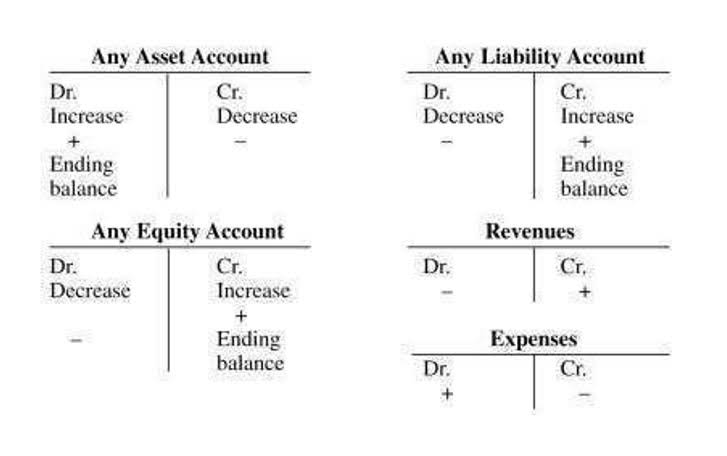
Liabilities, on the other hand, represent obligations a company has to other parties. Financial statements, such as the balance sheet, represent a snapshot of a company’s assets, liabilities, and equity at a specific point in time. Assets and liabilities are treated differently in that assets have a normal debit balance, while liabilities have a normal credit balance. The balance sheet reflects business expenses by drawing down the company’s cash account and increasing accounts payable.
- This is usually achievable by minimizing expenses at a moderate level.
- Unearned revenue is money received or paid to a company for a product or service that has yet to be delivered or provided.
- An example of an accrued expense is when a company purchases supplies from a vendor but has not yet received an invoice for the purchase.
- Also called accrued liabilities, these expenses are realized on a company’s balance sheet and are usually current liabilities.
- Higher expenses relative to revenue may indicate inefficiencies or increased costs, while lower expenses may suggest cost-saving measures or improved operational performance.
Contingent Liabilities
The adjusting entry will be dated Dec. 31 and will have a debit to the salary expenses account on the income statement and a credit to the salaries payable account on the balance sheet. Accrued expenses are prevalent during the end of an accounting period. A company often attempts to book as many actual invoices as it can during an accounting period before closing its accounts payable (AP) ledger. trial balance Then, supporting accounting staff analyze what transactions/invoices might not have been recorded by the AP team and book accrued expenses. Managing liabilities is a crucial aspect of running a successful business.

Carried forwards across accounting periods:
For accounting purposes, expenses are recorded on a company’s income statement rather than on the balance sheet where assets, liabilities and equity are recorded. Therefore, expenses are not assets, liabilities, or equity, rather they decrease assets, increase liabilities and decrease equity. A company pays its Car Dealership Accounting employees’ salaries on the first day of the following month for services received in the prior month. If, on Dec. 31, the company’s income statement recognizes only the salary payments that have been made, the accrued expenses from the employees’ services for December will be omitted. Liabilities are the debts, or financial obligations of a business – the money the business owes to others.
Types of Liability Accounts – Examples
Likewise, increasing assets increases equity, but a decrease in are expenses liabilities assets lowers equity. Income is money the business earns from selling a product or service, or from interest and dividends on marketable securities. Other names for income are revenue, gross income, turnover, and the “top line.”
After the debt has been paid off, the accounts payable account is debited and the cash account is credited. Operating expenses are the costs incurred during the normal course of business operations. These expenses include items such as wages, rent, utilities, and other expenditures necessary to keep the business running smoothly. In accounting, operating expenses are recorded as liabilities until they are paid off. For example, wages payable are considered a liability as it represents the amount owed to employees for their work but not yet paid. During the operating cycle, a company incurs various expenses for which it may not immediately pay cash.
It represents the owners’ or shareholders’ stake in the company which is calculated as the total asset of the company minus its total liabilities. Hence, equity is paid lots of attention by business owners or shareholders because it is their financial share of the company. Expenses are therefore the cost incurred in the use and consumption of these assets to generate cash flow.
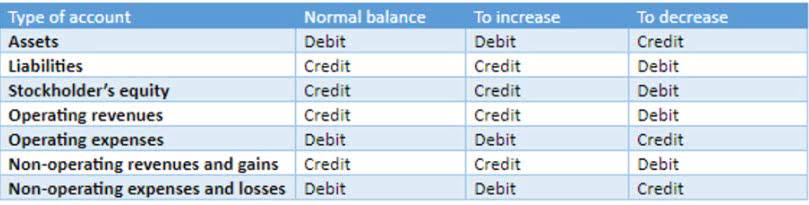
That is, expense accounts and revenue accounts only exist for a set period of time- a month, quarter, or year, and then new accounts are created for each new period. Furthermore, expenses are usually recurring in nature, meaning they are expected to be incurred regularly over time. Examples of recurring expenses include salaries, rent, utilities, and marketing costs. However, some expenses may be non-recurring or extraordinary, such as legal settlements or restructuring charges, which are not expected to occur regularly. Ramp is the finance automation platform designed to save your business time and resources. With Ramp, you get corporate cards, expense management, bill payments, accounting automation, and reporting—all in one easy-to-use platform.
Leave a Reply